

Choosing a Patio Heater Electric
Electric heaters mounted on the wall are perfect for spaces that have a distinctive aesthetic. They are simpler to use and less expensive to run than propane models.
Patio heaters, regardless of the fuel type used, should always be kept away from combustible items and never left unattended. Check out these patio heater safety tips for more information.
How to Choose the Right Heater
A lot of Australians enjoy having fun and relaxing on their patios. The cold temperatures can cut short the enjoyment of these areas. Patio heaters provide targeted efficient heating that extends outdoor use throughout the entire year. electric pyramid patio heater of the correct patio heater is crucial for making sure you get the best performance as well as safety and style. There are a variety of factors to consider when purchasing a heater that include the installation requirements, mobility, and fuel source.
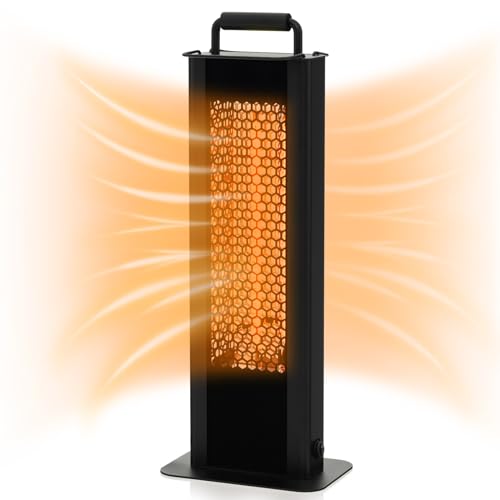
Certain kinds of patio heaters, such as wall-mounted and ceiling-mounted models, require professional installation and are permanently anchored in the spot. Tabletop and freestanding heaters offer more flexibility. Portable electric patio heaters, like, can be moved around your garden or yard to suit your needs. Certain models come with handles that make it simple to move. Certain electric patio heaters portable include remote controls to make operation easier.
When choosing a patio heater, you should take into consideration the size of the space and how many people will be using it at the same time. A larger area requires more power than a smaller one, so you'll need to select the model that has enough wattage to provide sufficient heating. You'll also want to consider the number of hours per day that you plan to utilize the heater. This will impact the life of the battery and the power consumption of the heater.
You'll need to choose the fuel source for your patio heater based on the type of. Electric patio heaters are powered by electricity and don't generate emissions, while natural gas patio heaters require that your home be plugged in to gas lines. Liquid propane heaters are easy to use and don't need any installation. However, their need for constant refueling is the reason they aren't the most cost-effective alternative.
If you have children at your home, it's important to select an electric heater that has safety features. Find an electric heater that automatically shuts off if it tilts over a certain point and also an alarm for flames to avoid accidental ignition. You might also want to purchase an extinguisher for fire to keep on hand for emergency situations.
Installation
A free-standing patio heating unit is a great way to make use of your outdoor space after the most pleasant seasons. Gas-powered and electrical models are available in a variety of styles. When purchasing an outdoor heater, you need to consider how much the heat your patio requires and how much weight the heater can carry.
There are many different ways to install your patio heater, but the most popular is a ceiling mount. This is a great option for covered patios, as it does not require any floor space, and also ensures a uniform distribution of heat.
This mounting option is available on all Bromic Electric heaters. A range of ceiling mounting rods are offered in order to meet your desired aesthetic and to fit any ceiling height. If your space has a slanted ceiling by adding a wedge to the pole will allow the heater be placed perpendicular to the floor and still comply with the minimum clearance requirements.
You can also put your heater on the wall. You can do this using an array of Electric heaters. A variety of mounting brackets is available for each model. The brackets of our Platinum and Tungsten Electric Heaters can be placed at an angle of 15 to 45 degrees, depending on the model. They should be positioned at least 6 feet above the ground and at a minimum of five feet from any structures that are above the heater.
Propane: These heaters use tanks of 20 pounds of propane that can be refilled at most convenience stores and gas stations. These heaters generate more heat than electric heaters however, they do require that an gas line be laid. These heaters can be purchased as freestanding units or positioned on a structure like a deck, fence or pergola.
Certain models have adjustable heat settings. This is useful when you are hosting guests and they require a different degree of warmth. Choose a propane patio heater that comes with an arrestor that sparks. This will reduce the chance of fires that are caused by uncontrolled combustion.
Safety
Patio heaters are an excellent way to extend your outdoor time and add comfort. However, they also create safety issues. This includes keeping the heater at least three feet away from any materials that could ignite like potted plants or furniture. It's also recommended to place a protective mat underneath the heater, specifically for decks made of wood.
The type of heater you choose to use and the fuel source it uses will determine the safety precautions to take. Propane gas patio heaters for example, can heat a larger space than electric models. However, they require frequent refilling of their tanks and may cause carbon monoxide to build up. Additionally, it is important to choose a model that is UL or CSA certified and comes with features such as anti-tilt switches and automatic shutoffs to minimize the chance of a fire.
The safety of heaters is determined by the way they are installed and used. Although many patio heaters have safety features it is recommended to follow the directions of the manufacturer for optimal performance and security. Bromic provides a variety of mounting options for heaters installed on the ceiling or wall. There are also a variety of poles with longer lengths for hanging patio heaters that will provide the ideal safe distance from walls, ceilings and other fabrics like tablescloths or awnings.
To prevent them from falling over, free-standing heaters need to be anchored or weighted. Strong winds can cause heaters to blow over or shift even when they are not in use, creating the risk of fire or causing injury. If you live in an area that is prone to frequent storms you might want to consider using sandbags or bungee cords to secure your heaters on the patio.
It is recommended that you keep a fire extinguisher in close proximity to your heater, regardless of the fuel type. It is crucial to select the appropriate class of extinguisher based on your heater's fuel (Class B for electric Class C for gas or a multipurpose for both). Also do not leave a heater unattended during operation since accidents could occur.
Maintenance
Incorrect maintenance and usage practices are the main cause of patio heater problems. However, you can avoid many of these issues by following some basic maintenance and usage best practices. Use a non-abrasive detergent to clean the heater and an air hose for ventilation holes.
Never connect an extension cable to connect a patio heating device. Connect the heater to an electrical outlet. Using an extension cable can overload circuits, leading to electrical fires. You should also keep the heater from combustible materials such as curtains and wood.
You may have a leak if your propane patio heater is always shutting down. It is a good idea to have a professional inspect the gas line for obstructions or leaks at least every year.
Propane patio heaters should be stored in a cool, dry location away from wind and rain. During storage, remove the propane tank, and wrap it in a protective cover. When not in use the heater should be placed in a well-ventilated area or under a canopy that is protected. This will help prevent corrosion and rust. It will also help to prevent it from tipping over.